
2026-09-05 ·
How Tree Roots Affect Sewer Lines in VA Homes Yards
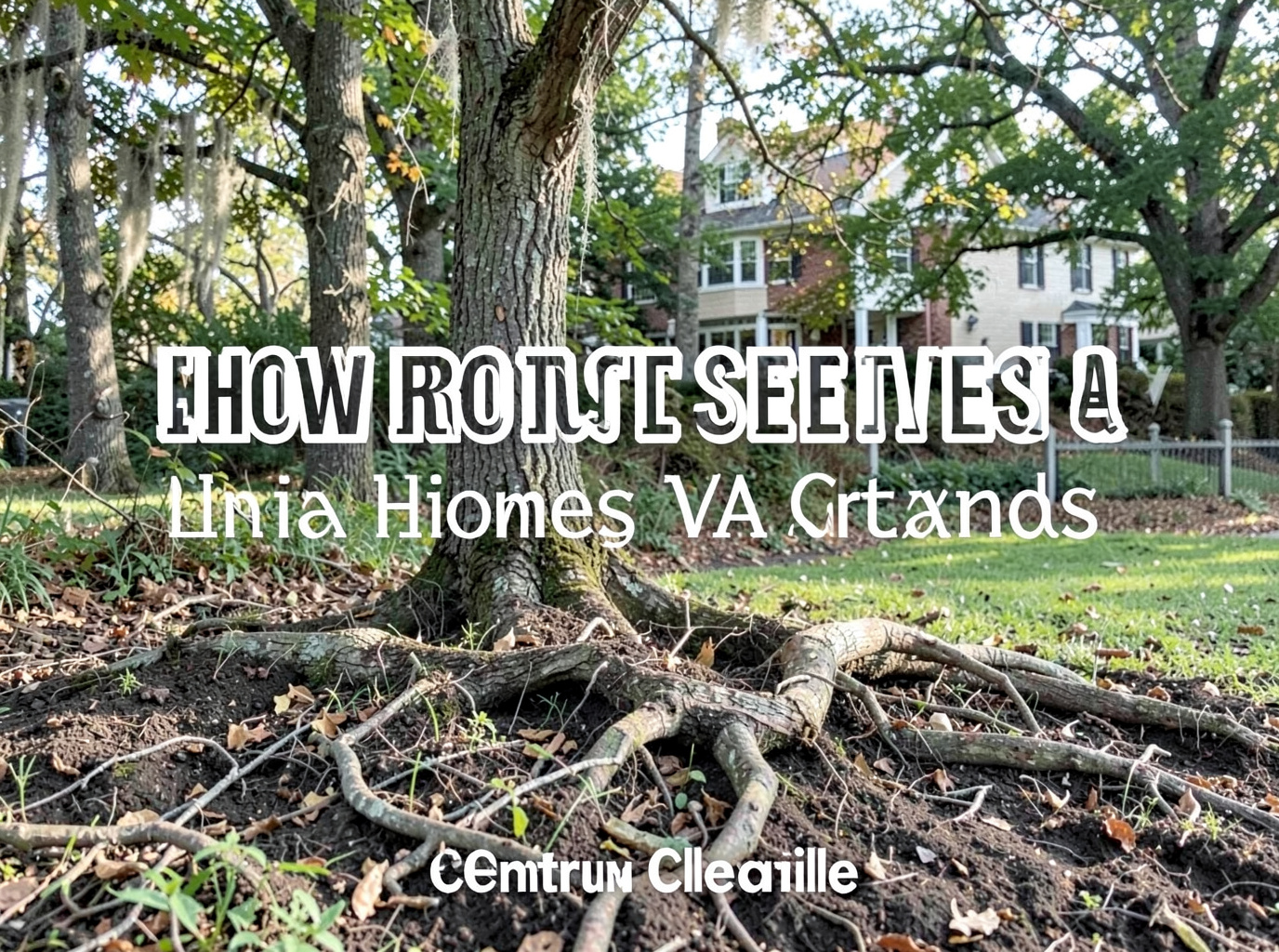
Tree roots reach sewer lines in Centreville VA homes when nearby trees or shrubs send roots toward consistent moisture sources underground. In neighborhoods such as Little Rocky Run and Sully Station, homes built decades ago often sit on clay-heavy soils that dry quickly in summer, pulling roots straight to pipe joints. Fairfax County yards with mature maples or oaks near the Centreville Historic District see this pattern most often because older clay or cast iron pipes develop small gaps over time.
Why Roots Target Sewer Lines in Local Soil Conditions
Centreville sits in a humid subtropical climate with hot summers that parch the ground and cold winters that push roots deeper for water. Properties in Centreville Ridge and Virginia Run commonly have shallow sewer lines running through yards planted with water-seeking species. Roots detect the constant drip from tiny pipe cracks and follow it, expanding as they grow. This process repeats each season because the area's freeze-thaw cycles create new micro-fractures in aging lines. Homeowners near Ellanor C. Lawrence Park notice faster intrusion when large trees sit within 10-15 feet of the main line.
Visible Signs in Fairfax County Yards and Homes
Slow drains in multiple fixtures often appear first in homes across Newgate and Faircrest. Gurgling toilets or wet patches in the lawn near the sewer path show up after heavy rains because roots block flow and force water upward. In Chantilly and Manassas border areas, residents report recurring backups during spring thaws when roots that grew all winter suddenly restrict the line. These symptoms differ from simple clogs because they return within weeks unless the root mass is addressed at the source.
Pipe Materials and Damage Patterns Common Here
Many Centreville homes from the 1970s and 1980s still have clay or cast iron mains that roots penetrate at joints. Sewer camera inspection reveals hairline cracks where roots have wedged in and widened the opening over multiple seasons. In contrast, newer PVC sections resist entry better but can still suffer crushed spots if large root balls grow beneath the pipe. The terrain around Bull Run Regional Park adds extra pressure because shifting soils during wet periods move pipes slightly and reopen gaps.
Practical Steps to Limit Root Intrusion
Plant only slow-growing, less aggressive trees at least 20 feet from sewer paths in yards throughout Sully Station. Schedule main sewer line cleaning every 18-24 months for homes with established landscaping. Tree root removal using mechanical cutting followed by chemical inhibitors stops regrowth without harming the tree when applied correctly. Regular checks after winter help catch new root hairs before they mature into full blockages.
Long-Term Management for Centreville Properties
Owners in Virginia Run and Faircrest benefit from mapping their sewer line location before adding new trees or hardscaping. Combining periodic camera checks with targeted root control keeps lines clear through the area's hot summers and cold winters. When roots have already caused repeated issues, replacing vulnerable sections with modern materials prevents future problems while preserving the yard layout. This approach matches the realities of older housing stock mixed with mature tree cover throughout Fairfax County.